

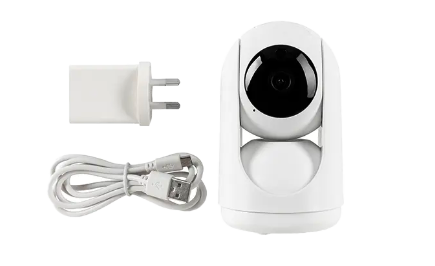
Security cameras have become an essential part of modern safety systems for homes, offices, retail stores, and industrial spaces. Once considered a luxury, they are now widely accessible and play a critical role in deterring crime, monitoring activity, and providing peace of mind.
This guide explains what security cameras are, how they work, the different types available, and how to choose the right system for your needs.
What Is a Security Camera?
A security camera is a surveillance device designed to capture video footage of a specific area for monitoring and security purposes. The footage can be viewed live or recorded for later review. Modern security cameras often connect to the internet, allowing users to access video remotely through smartphones or computers.
Security cameras are commonly used for theft prevention, property monitoring, employee safety, and evidence collection in case of incidents.
How Security Cameras Work
Security cameras capture video through a lens and image sensor. The video is then transmitted to a storage device or cloud server, depending on the system type. Some cameras record continuously, while others activate only when motion is detected.
Many modern cheap security cameras include features such as night vision, audio recording, motion alerts, and mobile app integration, making monitoring easier and more efficient.
Types of Security Cameras
Security cameras come in various designs, each suited for different environments and purposes.
Indoor Security Cameras
Indoor cameras are designed to monitor interior spaces such as living rooms, offices, and hallways. They are usually compact, easy to install, and focus on clear video quality and motion detection.
Outdoor Security Cameras
Outdoor cameras are built to withstand weather conditions like rain, heat, and dust. They typically feature weatherproof housings, night vision, and wider viewing angles for monitoring entrances and outdoor areas.
Wired Security Cameras
Wired cameras connect directly to a power source and recording system. They are reliable and suitable for permanent installations but require professional installation in some cases.
Wireless Security Cameras
Wireless cameras use Wi-Fi to transmit footage and are easier to install. Most are battery-powered or use power adapters and are ideal for flexible setups.
IP Cameras
IP (Internet Protocol) cameras send and receive data over a network. They offer high-resolution video, remote access, and advanced features, making them popular for both residential and commercial use.
CCTV Cameras
Closed-circuit television (CCTV) cameras are commonly used in commercial and public spaces. They operate on a closed network and are known for reliability and continuous monitoring.
Key Features to Look for in a Security Camera
Choosing the right security camera depends on several important features.
Video resolution plays a major role in image clarity. High-definition and 4K cameras provide clearer details, which are useful for identifying faces or license plates.
Night vision allows cameras to record in low-light or complete darkness, using infrared or low-light sensors.
Motion detection helps conserve storage by recording only when activity is detected and can send instant alerts to your phone.
Field of view determines how much area the camera can cover. Wider angles reduce the number of cameras needed.
Two-way audio enables communication through the camera, which can be useful for talking to visitors or deterring intruders.
Storage options include local storage via SD cards or network recorders, as well as cloud-based storage for remote access and backup.
Benefits of Using Security Cameras
Security cameras help deter theft and vandalism by making potential intruders aware they are being monitored. They provide real-time monitoring and recorded footage that can be used as evidence in case of disputes or criminal activity.
For businesses, security cameras improve employee safety, reduce internal theft, and help monitor operations. For homeowners, they offer peace of mind and the ability to check on property remotely.
Choosing the Right Security Camera System
The right security camera system depends on your specific needs. For homes, a few wireless indoor and outdoor cameras may be sufficient. Businesses often require multi-camera systems with centralized monitoring and long-term storage.
Consider the size of the area, lighting conditions, internet connectivity, and whether professional installation is needed. Budget and ongoing costs, such as cloud subscriptions, should also be evaluated.
Installation and Maintenance
Some security cameras are designed for easy DIY installation, while others require professional setup. Proper placement is crucial to avoid blind spots and ensure optimal coverage.
Regular maintenance includes cleaning lenses, checking power sources, updating firmware, and testing recording functions to ensure the system works reliably.
Privacy and Legal Considerations
When installing security cameras, it is important to respect privacy laws. Cameras should not record areas where privacy is expected, such as neighboring properties or private rooms. Informing people that surveillance is in use is often required, especially in workplaces and public areas.
Final Thoughts
Security cameras are a powerful tool for protecting property, people, and assets. With advancements in technology, modern security camera systems offer high-quality video, smart features, and convenient remote access.
Whether for a home or business, investing in the right security camera system enhances safety, deters crime, and provides valuable peace of mind. Understanding your needs and choosing the right features will help you build an effective and reliable security solution.
