

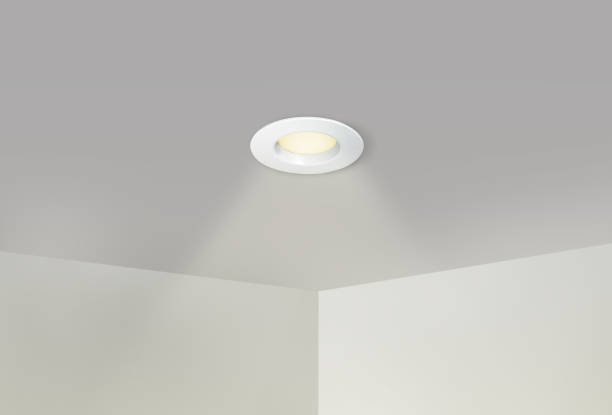
Lighting plays a crucial role in how your home looks, feels, and functions. Among modern lighting options, the led downlight has become one of the most popular choices for residential and commercial spaces alike. Sleek, energy-efficient, and versatile, LED downlights provide a clean, contemporary look while delivering powerful illumination.
If you’re researching led downlights nz options or trying to find the best led downlights for your project, this guide will walk you through everything you need to know — from types and features to installation and energy efficiency.
What Is a LED Downlight?
A LED downlight is a recessed lighting fixture installed into a ceiling cavity, directing light downward in a focused beam. Unlike traditional halogen or incandescent recessed lights, LED downlights use light-emitting diodes (LEDs) as their light source.
Because they sit flush with the ceiling, they create a minimalist appearance while providing consistent, glare-controlled lighting. This makes them ideal for living rooms, kitchens, bathrooms, hallways, and offices.
Why LED Downlights Are So Popular in NZ
There are several reasons why LED downlights NZ homeowners prefer are replacing older lighting systems:
1. Energy Efficiency
LED downlights consume significantly less electricity compared to halogen lights. While a halogen downlight may use 35–50 watts, an equivalent LED downlight can produce the same brightness using as little as 7–12 watts. This leads to lower energy bills and reduced environmental impact.
2. Long Lifespan
LED technology is known for longevity. A quality LED downlight can last 25,000 to 50,000 hours, reducing the need for frequent replacements.
3. Reduced Heat Output
Traditional halogen lights generate a lot of heat, which can increase room temperature and even pose fire risks if improperly installed. LED downlights emit significantly less heat, making them safer and more efficient.
4. Modern Aesthetic
Recessed lighting offers a clean, streamlined ceiling finish. This modern look is particularly popular in new builds and home renovations across New Zealand.
Types of LED Downlights
When searching for the best LED downlights, it’s important to understand the different types available.
Fixed LED Downlights
These provide a stationary beam of light directed straight down. They are ideal for general lighting in bedrooms, hallways, and living spaces.
Gimble (Adjustable) LED Downlights
These can tilt or rotate slightly, allowing you to highlight artwork, kitchen benches, or architectural features.
Dimmable LED Downlights
Dimmable options allow you to adjust brightness levels to suit different moods and times of day. However, compatibility with dimmer switches should always be checked.
IC and IC-F Rated Downlights
In NZ, insulation contact (IC) ratings are important. IC-rated LED downlights can safely be covered or abutted by insulation, improving energy efficiency and reducing drafts.
Choosing the Best LED Downlights
Selecting the best LED downlights depends on several important factors.
1. Brightness (Lumens)
Instead of focusing on watts, look at lumens. Lumens measure brightness:
- 600–800 lumens: Ideal for bedrooms and hallways
- 800–1000 lumens: Suitable for kitchens and living areas
- 1000+ lumens: Best for task lighting or high ceilings
2. Colour Temperature
Colour temperature affects the feel of a room:
- Warm White (2700K–3000K): Cozy, ideal for living rooms and bedrooms
- Cool White (4000K): Crisp and clean, great for kitchens and bathrooms
- Daylight (5000K+): Bright and energizing, often used in workspaces
Many LED downlights NZ suppliers offer tri-colour options, allowing you to switch between temperatures during installation.
3. Beam Angle
Beam angle determines light spread:
- Narrow beam (30–40°): Focused task lighting
- Wide beam (60–120°): General room lighting
Wider beams are typically preferred for standard residential ceilings.
4. Cut-Out Size
Before replacing old fixtures, measure the ceiling cut-out diameter. LED downlights come in various sizes, and choosing the correct one ensures easy installation.
5. IP Rating
For bathrooms or outdoor covered areas, look for appropriate IP ratings (e.g., IP44 or higher). This ensures resistance to moisture and dust.
Installation Considerations in NZ
When installing LED downlights NZ homeowners must follow local electrical regulations. It’s always recommended to use a registered electrician for new installations or significant rewiring.
Here are some key points:
- Ensure proper spacing to avoid uneven lighting
- Check insulation compatibility (IC rating)
- Confirm dimmer compatibility if using dimmable models
- Maintain adequate ceiling cavity clearance if required
Spacing typically ranges between 1.2 to 1.8 meters apart, depending on ceiling height and desired brightness.
How Many LED Downlights Do You Need?
A common question when planning lighting is quantity. The answer depends on:
- Room size
- Ceiling height
- Lumens per downlight
- Desired brightness level
As a rough guide, for general lighting, you may need approximately 1 downlight per 1.5–2 square meters. For example, a 20m² living room might require 10–12 LED downlights for balanced illumination.
However, lighting layout design plays a crucial role. Even spacing and avoiding shadow zones will give the best visual result.
LED Downlights vs. Other Lighting Options
Understanding how LED downlights compare to other lighting types can help you make an informed decision.
LED Downlights vs. Pendant Lights
Pendant lights are decorative and make a design statement, while LED downlights provide subtle, uniform illumination. Many homes combine both for layered lighting.
LED Downlights vs. Surface-Mounted Lights
Surface-mounted fixtures are easier to install in concrete ceilings, while recessed LED downlights offer a sleeker look in plasterboard ceilings.
Maintenance and Longevity
One major benefit of choosing the best LED downlights is minimal maintenance. Since LEDs have long lifespans, bulb replacements are rare.
To maintain performance:
- Keep fixtures dust-free
- Ensure ventilation is not blocked
- Avoid incompatible dimmers
If a unit fails, many modern LED downlights are integrated fittings, meaning the entire fitting may need replacement rather than just a bulb.
Energy Savings and Sustainability
Switching to LED downlights significantly reduces household energy consumption. With rising electricity costs in New Zealand, energy-efficient lighting is more important than ever.
LED technology converts more electricity into light rather than heat. This efficiency not only lowers bills but also reduces carbon footprint.
Additionally, longer lifespan means fewer materials end up in landfills compared to traditional bulbs.
Common Mistakes to Avoid
When selecting LED downlights NZ homeowners should avoid:
- Choosing based solely on price
- Ignoring lumen output
- Overlooking insulation ratings
- Using incompatible dimmers
- Poor spacing layout
Taking time to plan your lighting ensures better comfort and aesthetics.
Final Thoughts
LED downlights have transformed modern lighting design across New Zealand homes. Whether you’re renovating, building new, or upgrading from halogen, choosing the right led downlight can improve energy efficiency, enhance aesthetics, and reduce long-term costs.
When searching for the best led downlights, focus on brightness, colour temperature, beam angle, and compliance with NZ standards. With the right planning and installation, LED downlights can provide years of reliable, efficient illumination while maintaining a clean and contemporary look.
