

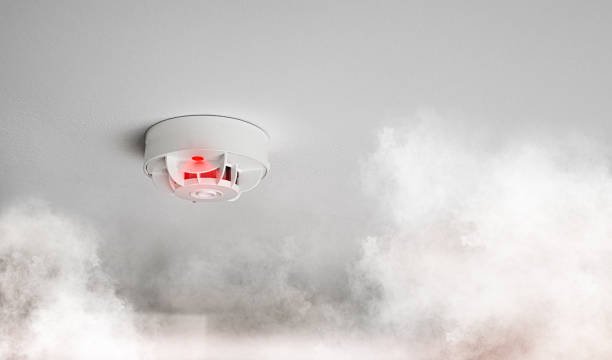
Fire safety is one of the most important aspects of protecting your home and family. In New Zealand, where residential building standards continue to evolve, wireless smoke alarms have emerged as a reliable and modern solution for early fire detection. Compared to traditional hard-wired or standalone battery alarms, wireless smoke alarms offer enhanced connectivity, easier installation, and smarter monitoring capabilities.
Whether you are building, renovating, or upgrading your safety devices, this guide explains everything you need to know about wireless smoke alarms NZ and why they’re becoming a preferred choice for homeowners.
What Are Wireless Smoke Alarms?
Wireless smoke alarms communicate with each other using radio frequency (RF) or similar wireless technology. This means:
- If one alarm detects smoke, all connected alarms sound.
- You get faster alerts across the entire home.
- Large houses, multi-level homes, or sleepouts can be monitored more effectively.
These alarms don’t require electrical cabling between units, making them suitable for both new and existing homes across New Zealand.
Why Wireless Smoke Alarms Are Ideal for NZ Homes
1. Faster and Wider Alerts
In a fire, seconds matter. Wireless interlinked alarms ensure that if smoke is detected in one room, the entire network activates. This is especially important in:
- Two-storey homes
- Sleepouts and sheds
- Homes with closed bedrooms
- Large family houses
It ensures everyone is alerted immediately, not just the people closest to the fire.
2. Easy Installation
Wireless smoke alarms NZ models are designed for simple installation:
- No wiring required
- No electrician needed (for most models)
- Ideal for retrofitting older NZ homes
This reduces installation time and ensures homes are protected quickly with minimal disruption.
3. Flexible Placement
Wireless alarms can be installed in:
- Hallways
- Bedrooms
- Living spaces
- Garages
- Basements
- Sleepouts
If you add new rooms or extensions later, new alarms can easily be paired with the existing network.
4. Enhanced Safety Compliance
New Zealand fire safety guidelines strongly recommend the use of smoke alarms that provide comprehensive coverage. Wireless interlinking helps homes exceed minimum safety expectations by ensuring all areas communicate effectively.
5. Battery Efficiency & Low Maintenance
Many wireless smoke alarms use long-life lithium batteries that can last several years. Features often include:
- Low-battery alerts
- Test buttons
- Silence buttons
- Self-testing capabilities
This reduces the hassle of frequent battery changes and helps ensure consistent performance.
Types of Wireless Smoke Alarms
Although features vary by model, wireless smoke alarms in NZ generally fall into these categories:
1. Photoelectric Wireless Smoke Alarms
Recommended as the primary type for NZ homes due to superior performance at detecting slow-smouldering fires—common in modern furnishing materials.
2. Heat Alarms (Wireless Interconnected)
Used in:
- Kitchens
- Garages
- Laundries
Heat alarms are designed to avoid false alarms triggered by steam or cooking smoke.
3. Combination Smoke & CO Alarms
These offer dual protection by detecting both:
- Fire
- Carbon monoxide leaks
Ideal for homes with gas appliances, fireplaces, or attached garages.
4. Smart Wireless Smoke Alarms
Some wireless alarms connect to mobile apps or home networks to provide:
- Notifications
- Remote testing
- System health checks
These options are suited for tech-friendly NZ households looking for advanced safety solutions.
Where to Install Wireless Smoke Alarms in NZ Homes
For optimal safety, wireless smoke alarms should be placed:
- Inside every bedroom
- In hallways connecting bedrooms
- On every level of the home
- In living rooms
- Near staircases
- In sleepouts or detached rooms
- Outside kitchens (not inside, unless it’s a heat alarm)
New Zealand Fire and Emergency NZ recommends photoelectric smoke alarms throughout the home for best results.
Benefits of Wireless Interconnected Systems
1. Whole-Home Protection
Regardless of where a fire starts, the entire home is alerted simultaneously.
2. Suitable for All Home Types
From small apartments to large lifestyle blocks, wireless systems adapt to any layout.
3. Cost-Effective Safety Upgrade
While wireless alarms may cost slightly more than basic standalone units, their enhanced coverage greatly improves safety—making them a valuable investment.
4. Perfect for Rentals
Landlords can meet NZ tenancy requirements by installing reliable, interconnected alarms without rewiring or major electrical work.
Maintaining Wireless Smoke Alarms
To ensure optimal performance:
- Test alarms monthly
- Ensure alarms remain interconnected
- Replace batteries as recommended
- Vacuum around vents to remove dust
- Replace units according to their lifespan (usually 8–10 years)
Regular maintenance ensures your wireless smoke alarms NZ setup remains reliable when you need it most.
Common Mistakes to Avoid
- Installing alarms too close to kitchens or bathrooms
- Not interlinking alarms across different levels
- Ignoring low-battery alerts
- Using outdated or expired devices
- Installing alarms on walls instead of ceilings
Following correct installation guidelines significantly improves fire safety.
Conclusion
Wireless smoke alarms are one of the most effective ways to protect modern NZ homes. Their ability to communicate across multiple rooms, quick installation, adaptability, and reliable performance make them an standout choice for enhanced home safety. Whether you’re upgrading an older property or building new, a wireless interconnected smoke alarm system provides peace of mind and ensures your family receives immediate alerts in the event of a fire.
